Every Bag Gets the Once-Over
I want to tell you about coffee. But first, let me tell you about horses.
My daughter and I ride trail together when we can. Not arena riding, not lessons—just trail. Saddled up, single file through the cedar breaks, no real agenda except forward. It's the kind of thing where you don't talk much, but you're saying a lot.
Now, if you've never spent time around horses, you might think the hard part is staying on. And sure, that's part of it. But the real work—the part nobody warns you about—is the watching.
You Learn to Read the Small Stuff
Every time we ride, before we even think about swinging a leg over, we're looking. Running a hand down each leg. Checking hooves. Watching how they stand, how they shift weight. Does that left rear look a little tender? Is she holding her head different today? Is there a scrape that wasn't there last time?
You're not looking for disasters. You're looking for the little things that become disasters if you're not paying attention.
My daughter's better at it than I am, honestly. She'll catch a nick on a fetlock I walked right past. She'll notice a horse standing just a half-step off from normal and say, "Something's bugging her today." Nine times out of ten, she's right. There's a stone bruise, or a burr tangled up somewhere, or the cinch was sitting funny.
The point is: when you're responsible for a living thing, you develop eyes for what's wrong. Not because you're anxious. Because you care.
A Small Roaster Doesn't Let You Hide
Here's where the coffee comes in.
We roast on a small roaster. Not a big industrial drum that processes hundreds of pounds at a clip. Ours is modest. Personal, even. And that's on purpose.
When you're working with a small batch—say, ten or twelve pounds at a time—you are right there. You can hear the beans cracking. You can smell the sugars starting to caramelize. You can watch the color shift in real time, and when something's trending a degree or two hotter than you'd like, you catch it. You adjust. You don't just set a profile and walk away to check your email.
Big roasters have their place. I'm not here to trash anybody's operation. But I'll tell you this: a big roaster is forgiving in ways a small roaster is not. You can hide inconsistencies in volume. A thousand-pound batch smooths out the rough edges through sheer mass. There's a margin for error built right in.
A small roaster? There's no margin. Every bean in that drum matters. If you lose focus for thirty seconds, you'll taste it in the cup. Too dark on the edges. Underdeveloped in the center. A flatness where there should be brightness.
It's unforgiving. And I love that about it.
The Once-Over
Back on the trail, my daughter has this phrase she uses. Before we mount up, after we've checked everything, she'll do one more slow walk around each horse. Head to tail. Doesn't say anything, just looks. Then she'll nod and say, "Alright, they're good."
She calls it "the once-over." It's not a checklist. It's more like a feeling—a final gut-check that everything adds up.
I do the same thing with every bag of coffee we roast.
After the batch comes out of the roaster, after it's cooled, after it's been weighed and bagged—I'll grab a handful of beans and just look at them. Roll them around. Check the color for evenness. Crack one open and look at the inside. Smell it. Is it what I expected? Is it what I wanted?
Sometimes a batch is technically fine. Hit all the right numbers, stayed on profile, nothing went sideways. But something about it doesn't sit right. Maybe the color's a shade darker than I'd like. Maybe the aroma's missing that top note I was chasing. And in those moments, I have a choice: bag it up and move on, or set it aside and roast another round.
We set it aside.
Not because we're perfectionists. Because we're paying attention. Same as the horses. Same as the trail. You don't send something out into the world if your gut says it's not ready.
Why Any of This Matters to You
Look, I know you're not buying a bag of coffee because of my feelings about trail riding. You're buying it because you want something good in your cup tomorrow morning.
But here's what I want you to know: every bag that leaves our hands has had the once-over. Someone looked at it. Someone cared about it. Not a sensor, not an algorithm—a person who knows what that particular bean is supposed to taste like and won't ship it until it does.
That's the thing about roasting small. You can't automate attention. You can't scale up caring about the details. It either matters to you or it doesn't, and the cup tells the truth every time.
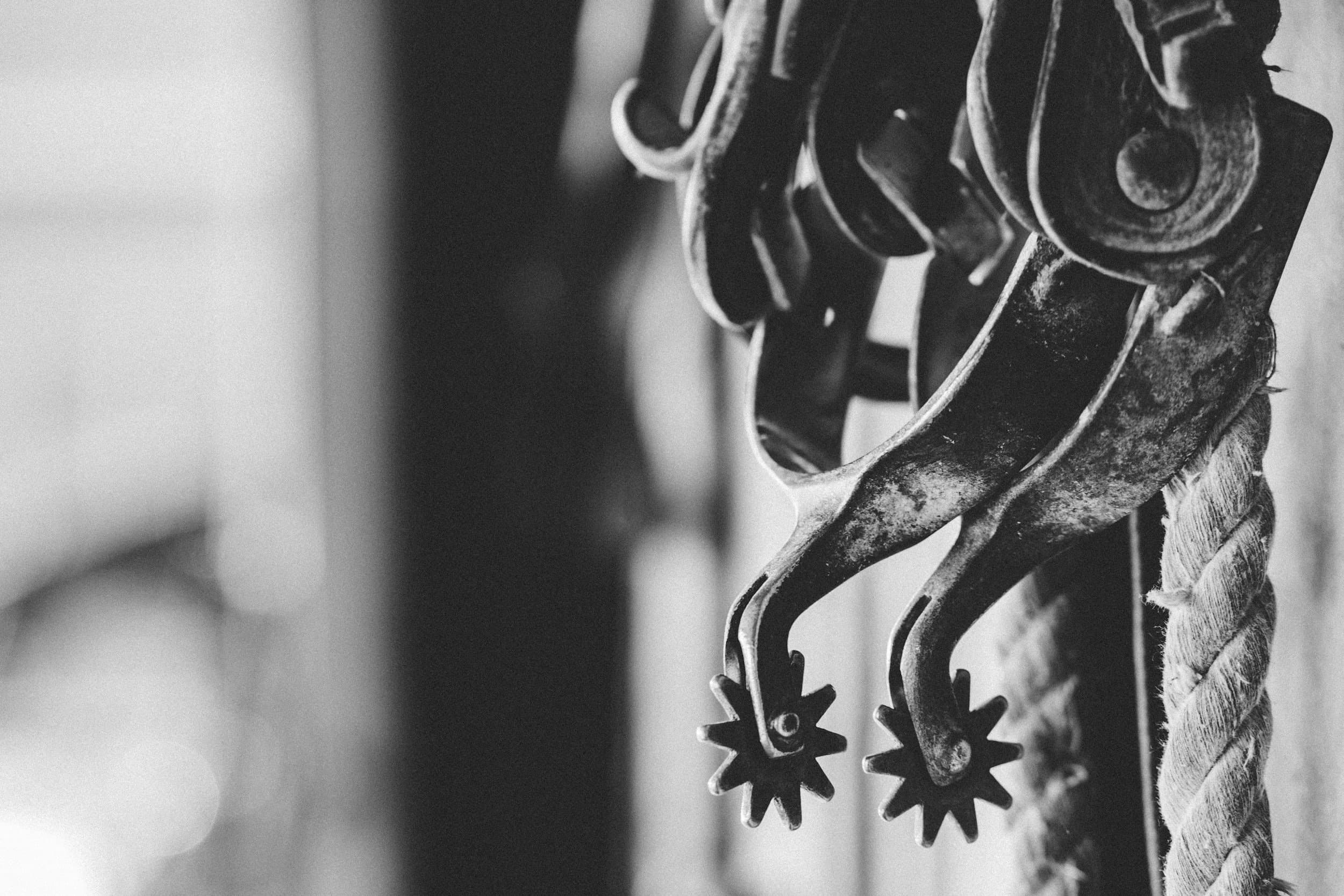
My daughter taught me that, in her own way. Back in the tack room, sorting through bridles and brushes, taking her time with each piece of gear because cutting corners means something goes wrong later.
Every bag gets the once-over. That's not a slogan. That's just how we do it.