Cold Brew Starts Now
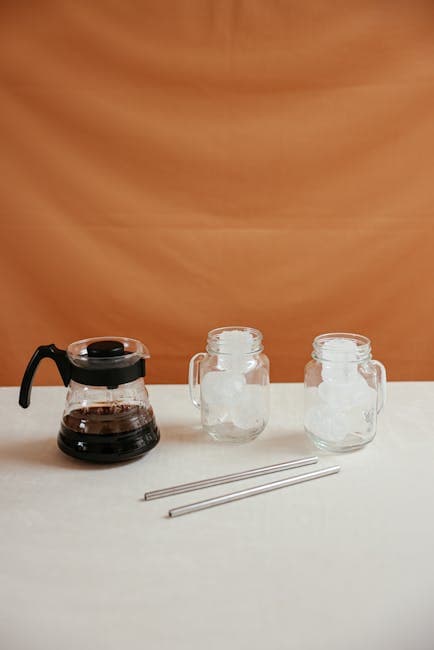
Houston doesn't really do spring. One week you're still wearing a jacket, the next you're walking outside at 8am into air that feels like a towel someone left in a dryer. It happens fast. And when it does, a steaming cup of hot coffee starts to feel less like fuel and more like a punishment.
That's where cold brew earns its place.
We've been running cold brew batches through our house blend and the results have been worth talking about. Cold brew extracts differently than hot coffee--lower temperature, longer time, almost no bitterness. What you get is something smoother, denser, with the bright stone fruit notes from the Colombia and Guatemala Huehuetenango coming through clearly instead of getting cooked off in a quick brew.
The ratio matters more than most people realize. Too weak and it tastes like leftover hotel coffee. Too strong and it's syrup. We've landed on a 1:7 concentrate that dilutes well over ice and still holds its character when you add a splash of oat milk.
How Long Does It Actually Take
Twelve hours minimum. We run ours for sixteen. Cold extraction is patient work--you can't rush it and get the same result. The good news is most of that time is hands-off. Grind coarse, combine with cold water in a mason jar or a pitcher with a lid, put it in the fridge before bed, strain it in the morning.
The straining step is worth doing right. A fine mesh strainer works, but a coffee filter or cheesecloth will give you a cleaner, clearer concentrate. Muddy cold brew isn't bad, it just clouds up faster in the fridge.
Which Roast Works Best
Lighter roasts hold up better in cold brew than most people expect. The florals and fruit notes survive the slow extraction where they'd blow off in hot water. Our house blend--the one we roast around 395 to 400 degrees--produces a cold brew with real sweetness and a clean finish.
The dark roast crowd has opinions about this. Dark roasts do produce a cold brew with more body and a chocolate-forward profile that a lot of people love. We're not here to tell you one is right. Use what sounds good to you and adjust the steep time by a couple of hours in either direction based on how strong you want it.
Storing It
Keeps in the fridge for up to two weeks as a concentrate. Once diluted, drink it within a few days. Label your container with the date--it's easy to lose track.
Cold brew season in Houston runs roughly from April through October. We're in it now. If you've been putting off making a batch, this week is the one.
The process is simple, the payoff is real, and your mornings will thank you for it.
Our favorite starting point
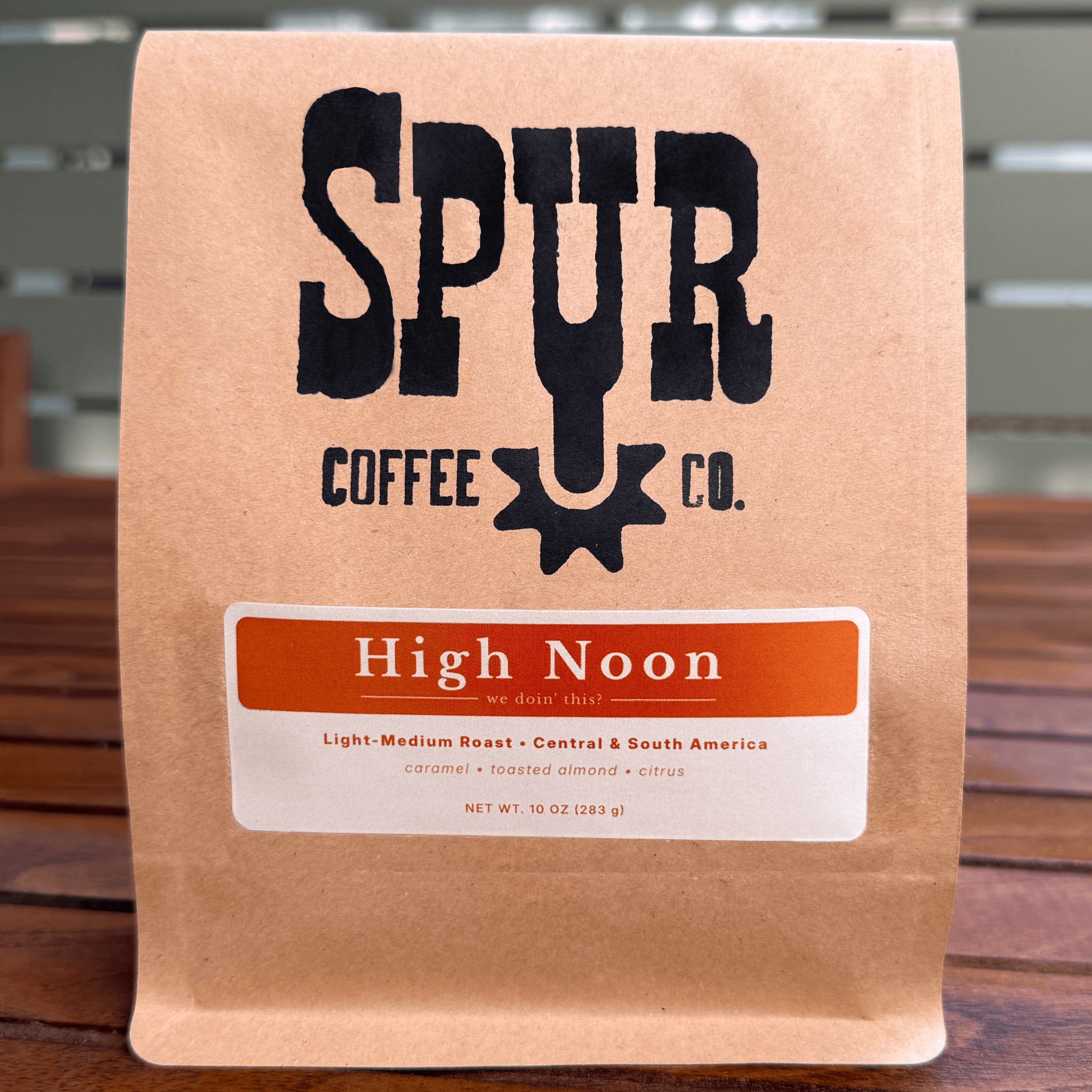
High Noon
A smooth, balanced daily drinker. Colombia + Guatemala, dialed in for clean extraction with enough body to hold up in milk.
Shop High Noon →