The Roast Wars Nobody Asked For
Ask someone about their coffee preference and there's about a 30% chance it turns into a conversation you didn't budget time for. Light roast people say dark roast tastes like an ashtray. Dark roast people say light roast tastes like hot leaf water. Both sides have made peace with the fact that they will never agree. And somewhere in the middle, a lot of perfectly good coffee is getting ignored.
We roast across the whole range. Light singles, medium blends, one medium-dark that can handle a lot of milk without disappearing. So we don't really have a dog in this fight. What we do have is opinions based on actually roasting the stuff.
What Roast Level Actually Changes
Roasting is a transformation. Green coffee comes off the roaster as something unrecognizable from what you're used to drinking. The heat drives out moisture, breaks down cellular structure, develops sugars, creates hundreds of flavor compounds that weren't there before.
The further you take a bean, the more the original character gives way to roast character. A light roast from Ethiopia still tastes like Ethiopia--jasmine, peach, bergamot. A dark roast from the same bean tastes more like the roasting process itself--bittersweet chocolate, smoke, caramel. Neither is a mistake. They're just different things.
What does change with roast level: caffeine content is mostly a myth. Light and dark roast have roughly the same caffeine by weight. By volume (since dark roast beans are lighter and you use more of them to fill a scoop), dark roast might actually have slightly less. This surprises people.
The Case for Going Lighter
Lighter roasts preserve what the farm and the processing did. When you're buying a single-origin coffee from a specific region, you're buying the story of where it came from. Roasting it to a medium-dark turns that specific story into a general one.
Our Guji Badessa is roasted light for exactly this reason. The nectarine and jasmine notes are real and they're worth keeping. Pushing the roast would swap them for characteristics the roaster created, not the farm.
The Case for Going Darker
There's a reason most of the world drinks dark roast. It's forgiving. A slightly imperfect extraction still produces something drinkable. It stands up to milk and sugar. It has body. For espresso drinks where the coffee is going into four ounces of steamed milk, a light roast can get lost.
Our Trailblazer espresso blend and Dark Horse are built for this. They're designed to still taste like coffee after you've poured your oat milk over them.
Where We Land
We don't think this is a war worth fighting. Different coffees call for different roast levels. The bean, the brewing method, and what you're putting in your cup should drive the decision--not loyalty to a camp.
What we do care about: roasting with intention and being honest about what we're doing. A dark roast shouldn't be a cover for bad beans. A light roast shouldn't be an excuse to under-develop.
Get the roast right for the coffee in front of you, brew it well, and skip the argument.
That's where we've landed. Make of it what you will.
Our favorite starting point
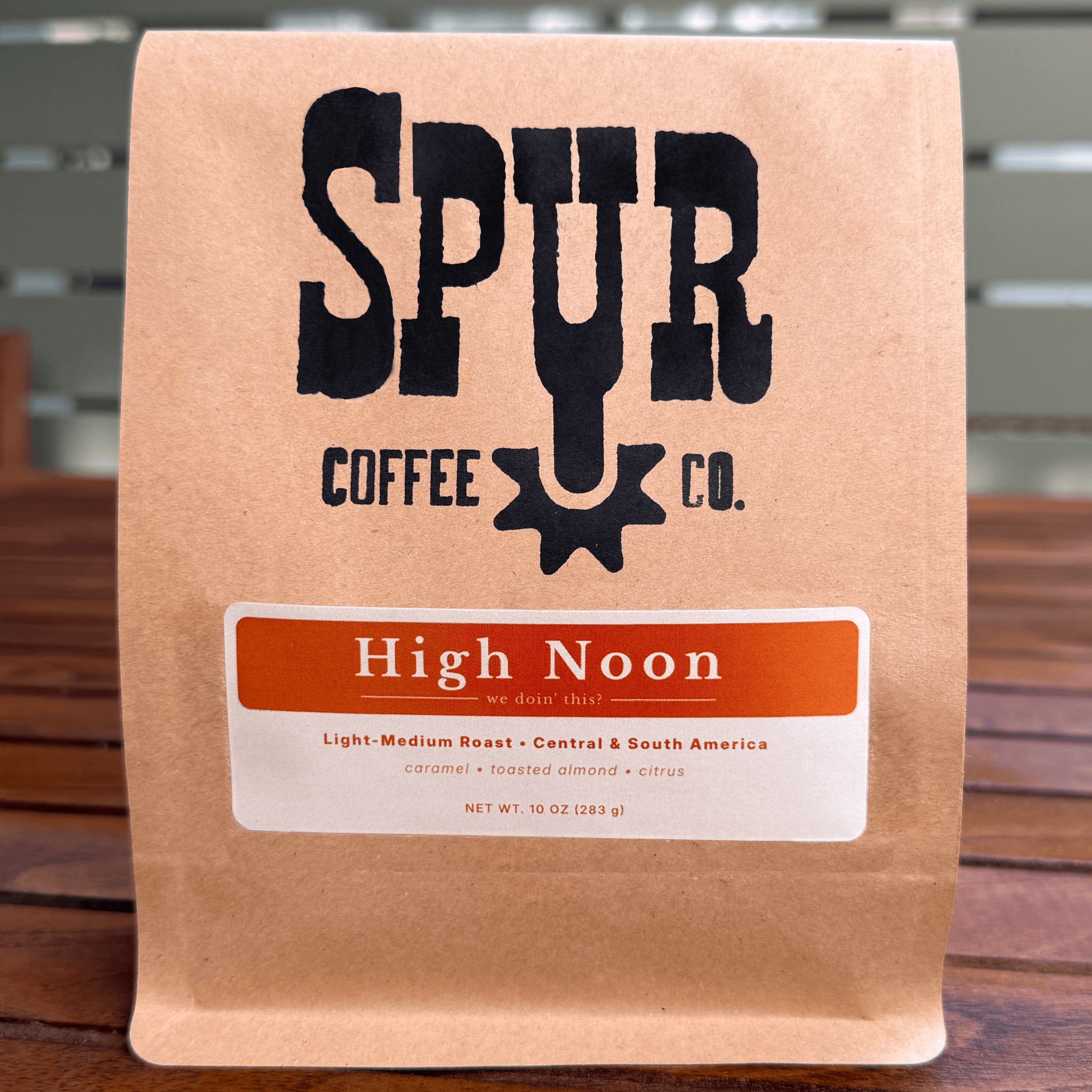
High Noon
A smooth, balanced daily drinker. Colombia + Guatemala, dialed in for clean extraction with enough body to hold up in milk.
Shop High Noon →